Brent crude is above $100 a barrel, US Treasury yields are near their highest since 2004, and the Nasdaq is still up 1.8% as of early morning. This combination is not supposed to happen. With the dollar index up over 1% and the 2-year Treasury yield at its highest since 2004, the Philadelphia Semiconductor Index has still climbed 7% since September 14 — because the same Middle East conflict driving energy scarcity also keeps AI data centers, which cannot easily cut power use, pinned to the grid.
This is a structural shift in how energy scarcity and rising rates are priced: the very demand pushing oil higher is the reason the Nasdaq keeps outperforming. It is also a trade the reader already owns pieces of — through index funds, a home, Social Security or a little gold. The question is not whether the rally continues, but whether the reader is positioned to benefit from the energy and AI-driven demand fueling it.
Capital Currents
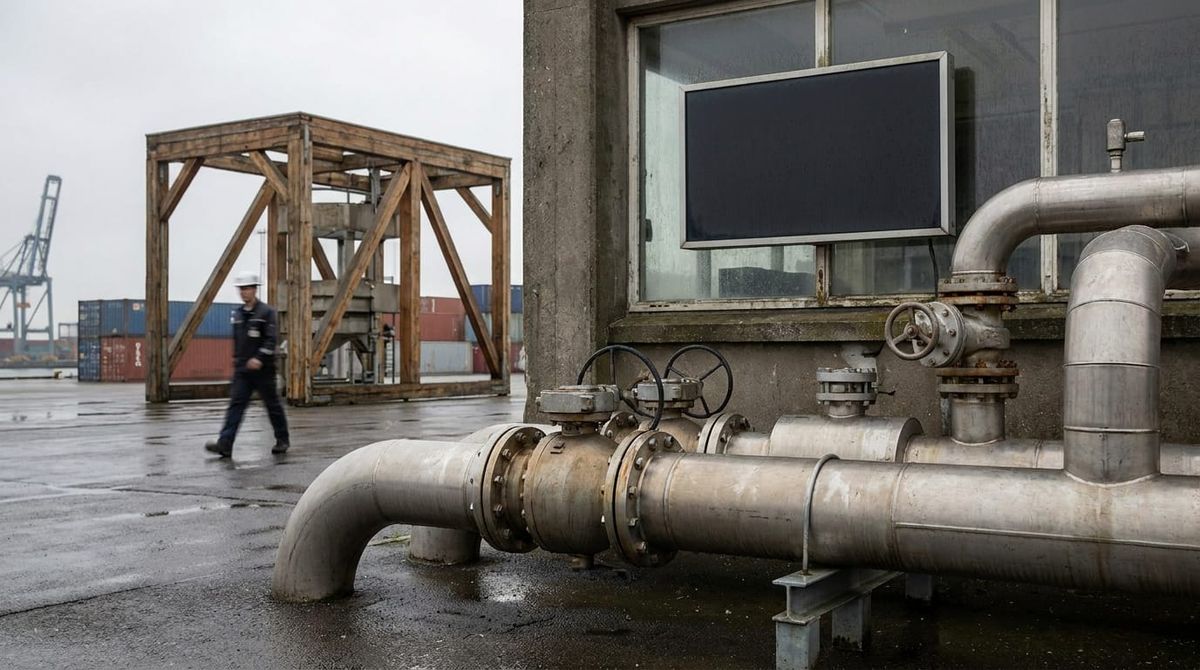
Front-month West Texas Intermediate futures dipped below $100 a barrel as supply-disruption concerns eased. Saudi Arabia expects the 750-mile East-West pipeline, which allows crude to bypass the Strait of Hormuz, to resume at about half its capacity within days after drone-strike damage.
Nasdaq futures are up about 1.8%, following the Federal Reserve's first interest rate hike in more than three years. The International Energy Agency reports Saudi crude supply has fallen to its lowest level in over three decades.
Oil futures are up about 50% versus before the conflict; diesel near record highs, jet fuel roughly double its February level, European natural gas highest since 2022. In an interview with Fox News, President Trump said he is in a 'deciding mode' regarding the U.S.-Iran conflict and warned 'big things' could occur in the 'not-so-distant future'. Iran-aligned forces now control two major oil chokepoints in the Middle East.
The Bond Market Is the Real Story
The US 30-year Treasury yield is at its highest level since 2004. This is a long-term readout on how the market is pricing risk. A higher yield means investors are demanding more compensation for holding US government bonds.
The 2-year Treasury yield rose about 38 basis points, a historically rare move. This tells you how the market is pricing near-term risk. A higher short-term yield means investors want more to hold short-dated government paper.
The US dollar index gained over 1% over the past fortnight, a readout on how the market is pricing the value of the US dollar. Normally, higher rates and a stronger dollar would weigh on the technology sector, yet the Nasdaq has kept climbing.
Why the Machines Keep the Rally Alive
Since September 14 the Philadelphia Semiconductor Index (SOX) climbed about 7%, while industrials tracked by the XLI ETF stayed broadly flat. Higher borrowing costs hurt cyclical, economy-tied earnings more. This makes AI-linked structural earnings relatively more attractive.
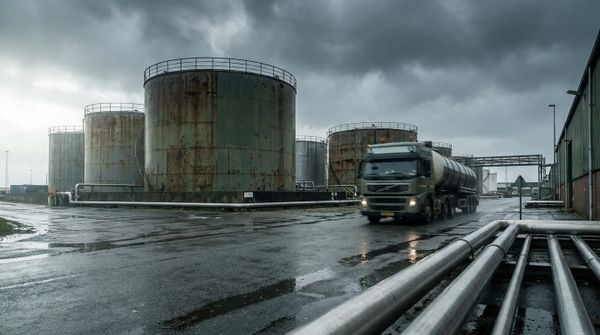
AI data centers cannot easily cut power use. This places constant demand on the grid. The same energy scarcity scaring bond and equity investors is also the exact input AI data centers cannot do without.
Final Take & Outlook
Whether long-term yields keep climbing is the one variable that prices everything the reader owns and owes. |